A sitter does not need a novel about your dog. They need to know which door sticks, where the lead is kept, what dinner looks like, and who to call if something goes wrong. The challenge is choosing details that change what the sitter should do, then arranging them so they can be found quickly while a dog is waiting beside the door.
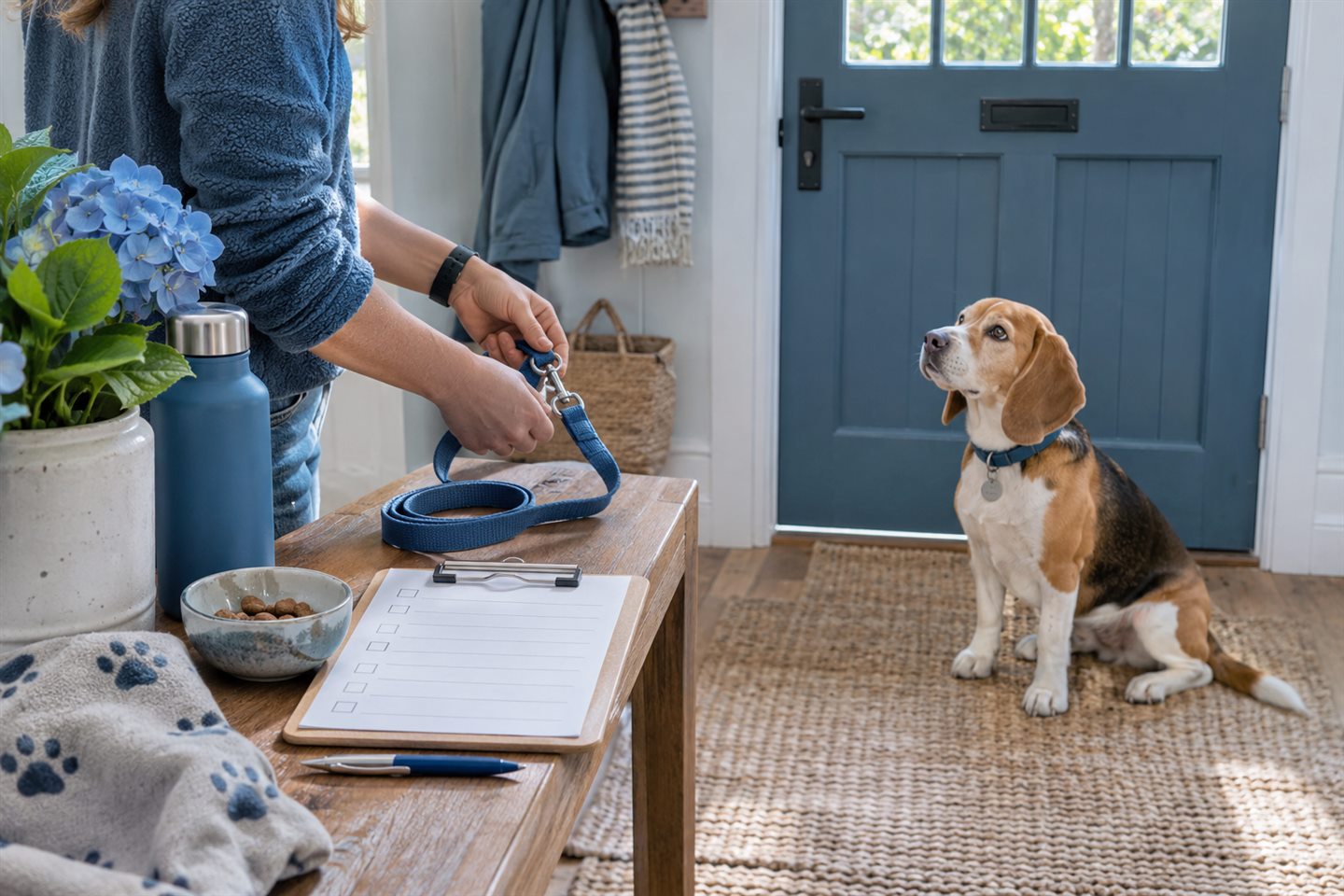
Useful care notes combine a short daily plan with clear emergency information. They should describe your dog's current habits rather than the routine you hope to establish someday. Write them before the handover, test them during a practice visit, and leave a copy where the sitter can reach it. A shared document can help, but a printed page is valuable when a phone battery runs flat.
Put essential contacts first
Begin with your name, your reachable phone number, and a backup contact who has agreed to help. Add the regular veterinary practice, its opening arrangements, and the emergency service you have confirmed for out-of-hours care. A practice website alone is less useful than an address and telephone number that the sitter can use immediately.
Discuss emergency authority directly. Ask the practice what permission it needs for a sitter to seek treatment and how payment should be handled. Make sure the sitter understands the arrangement rather than assuming a note will be accepted everywhere. If insurance is relevant, leave the policy details and explain where supporting information is stored.
Include your dog's name, identifying details, microchip information, and any important medical history the treating veterinarian may need. Do not put sensitive household information in a publicly accessible file. Share access only with the people responsible for care and remove it when the arrangement ends.
Describe meals in a repeatable way
Write the food's exact name and the amount used at each meal. A marked scoop can be convenient, but a weight is easier to reproduce when scoop sizes vary. Explain where food is stored and leave enough for the planned stay plus a sensible contingency. Keep the original packaging available so batch and feeding information can be checked.
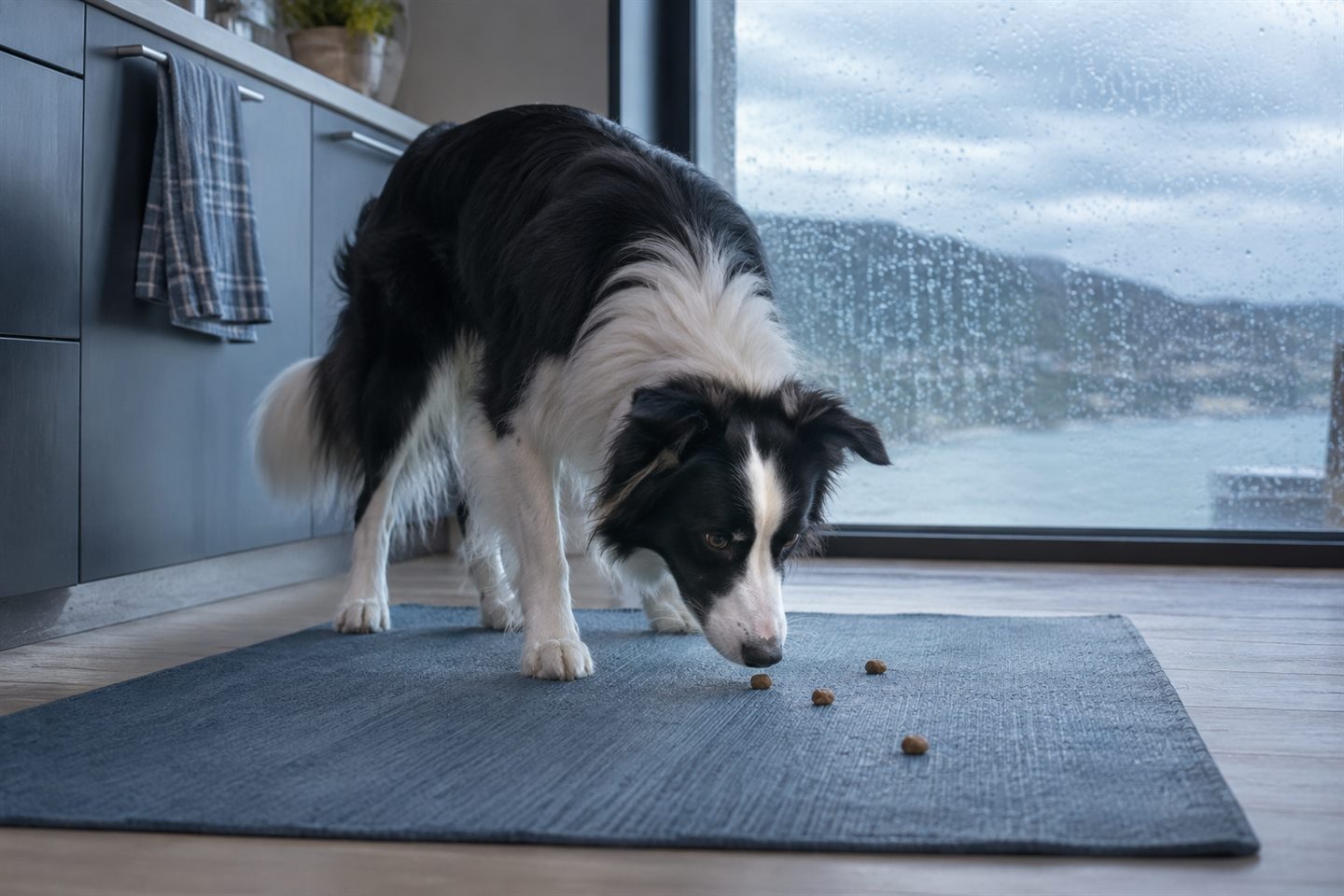
Show the sitter how meals happen in your home. If the dog eats behind a closed door because another pet tries to steal food, say so clearly. Mention which bowl belongs to which animal and where fresh water should be available. List any veterinary dietary restrictions prominently, including a simple instruction not to introduce unfamiliar treats.
Keep the plan practical. “Breakfast after the first toilet break” is clearer than a detailed description of every feeding habit. Add what the sitter should record, such as a missed meal, and when to contact you or a veterinarian. Do not ask a sitter to diagnose appetite changes or make unsupervised dietary adjustments.
Walk through the actual walk
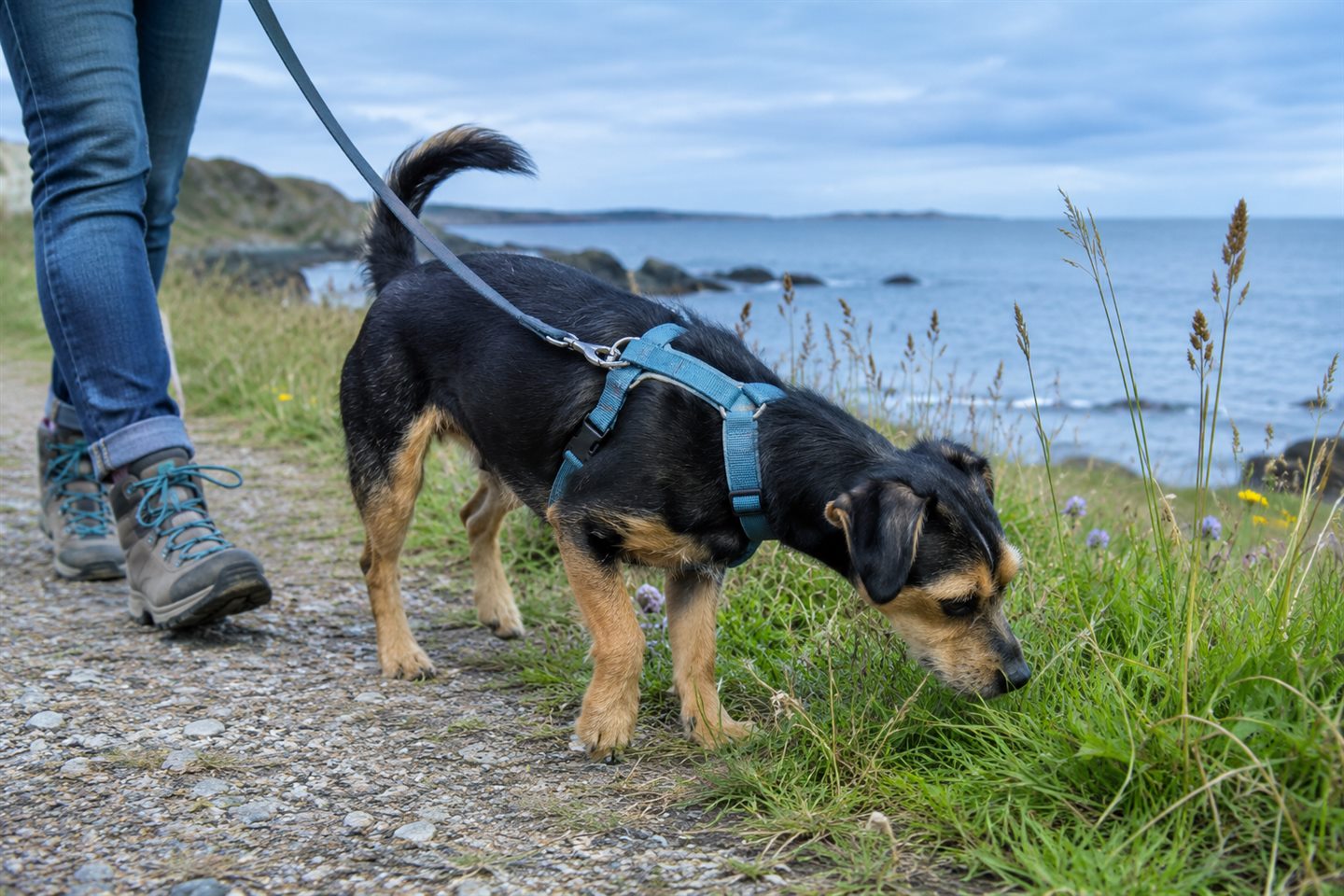
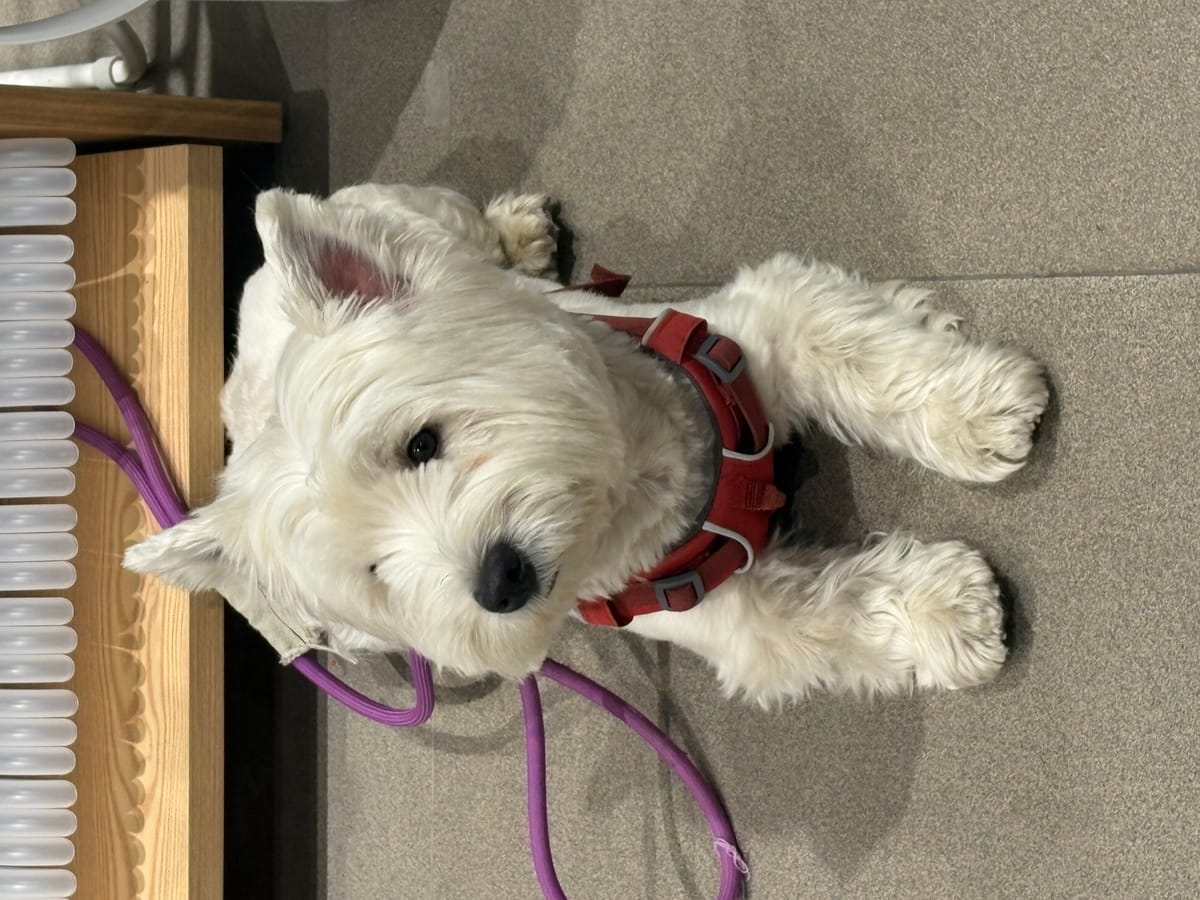
Show the equipment rather than merely naming it. Demonstrate how the harness fits, which attachment point you use, and how the door is secured before leaving. Let the sitter practise while you are present. A complicated clip is much easier to understand in daylight with help than during an urgent toilet trip.
Recommend a familiar route and a shorter alternative. Identify hazards that matter: a broken gate, a narrow pavement, a neighbour's loose dog, or a busy school entrance. State any restrictions plainly, such as keeping the dog on a lead throughout the stay and avoiding dog parks. The sitter should not have to guess whether your usual exceptions apply to them.
Describe behaviour without labels. “Cross the road if a dog approaches closely” is actionable. “He can be funny with dogs” is not. Explain how your dog usually signals discomfort and which calm redirection works. If behaviour creates a safety concern, choose an appropriately experienced professional and discuss it fully before booking.
Explain rest, company, and boundaries
Tell the sitter where your dog sleeps and which resting places should remain accessible. Describe how long the dog is accustomed to being alone, while recognising that a change of caregiver may affect comfort. Do not turn a care arrangement into an experiment in longer absences. If your dog has separation-related distress, arrange suitable professional support and supervision.
List the household boundaries that have practical consequences. Perhaps the front window is screened to prevent barking at passers-by, or the spare room must remain closed because cables are exposed. Explain the reason briefly so the sitter understands which details are essential. A long list of unexplained rules is harder to follow under pressure.
Include the easy comforts too: the toy your dog carries at bedtime, a quiet place they choose after walks, or their preference for sitting near people without being touched. These details help a sitter offer familiar choices. They should never become instructions to force cuddles, play, or handling when the dog moves away.
Keep health instructions precise
Medication arrangements need a separate, clearly labelled plan from the prescribing veterinarian. Leave medicines in their original packaging and demonstrate administration only as directed. Write down the prescribed schedule and the practice's instructions for missed doses or refusal. A sitter should contact the veterinarian rather than improvising, doubling a dose, or substituting another product.
Describe the dog's normal pattern in a few useful observations: appetite, toileting, movement, and energy. Ask the sitter to report noticeable changes. Breathing difficulty, collapse, suspected poisoning, repeated unproductive retching, or other urgent symptoms require veterinary attention without waiting for an email reply. Confirm the emergency plan with your veterinarian for your individual dog.
Avoid placing medical advice copied from social media into the notes. The purpose is to communicate established care, not to teach home treatment. If the dog has a condition that requires specialised monitoring, confirm that the sitter is trained, comfortable, and equipped to provide it before you leave.
Test the handover with a short visit
Arrange a practice visit that includes a meal, equipment fitting, and a short walk when appropriate. Watch which instructions require explanation. Those are the parts to rewrite. A sitter who asks questions is helping you find gaps before you are far from home.
Leave supplies in one clearly identified place: waste bags, towels, cleaning materials safe for the household, spare leads, and the care notes. Show how locks and alarms work without sharing access more widely than necessary. Agree on updates, including when a routine message is useful and when a telephone call is required.
Finally, put a revision date on the first page. Dogs change, prescriptions change, and an old note can be more misleading than no note at all. Good care instructions make the ordinary day straightforward and the unexpected day less confusing. Your sitter should be able to find the next sensible action without searching through a long conversation history.
Give the sitter a clear first page
Imagine the sitter arriving while your phone is unreachable. The front page should answer the immediate questions without opening attachments: which dog, what happens next, where the supplies are, and who can help. Put detailed background behind that page rather than mixing emergency numbers into a paragraph about favourite toys.
Include a brief example of the first evening. The sitter might secure the door, offer the normal toilet break, prepare the labelled meal, and allow quiet time in the usual room. Describe your actual sequence, including any barriers that keep animals separate. The example helps connect separate instructions into a recognisable routine.
Ask the sitter to repeat the important arrangements back in their own words. This is a chance to find ambiguity, not an examination. If they describe a different feeding amount or assume an off-lead outing is allowed, correct the notes together. A useful handover leaves both people confident about the ordinary day and the procedure for getting help.