A veterinary appointment can contain a lot of information in a short time. You arrive with a pet, a carrier or lead, several questions, and a memory of something unusual that happened last Tuesday. By the time the consultation begins, the detail you wanted to mention may be difficult to describe. A little preparation helps you use the appointment well without trying to diagnose the problem yourself.
Think of preparation as collecting an accurate account and arranging safe travel. It is not a reason to postpone care until your notes are complete. If your pet has urgent symptoms or you are unsure whether a situation can wait, call a veterinarian promptly. For a routine visit, a clear page of observations can make the conversation more focused and easier to remember afterwards.
Confirm what the appointment needs
Ask the practice about arrival time, transport considerations, and any preparation specific to the appointment. Do not fast your pet, stop medicine, or collect a sample unless the veterinary team has instructed you to do so. Different examinations and individual animals require different arrangements.
Tell the practice if your pet finds travel, other animals, or handling difficult. The team may have suggestions for waiting, entering the building, or planning the consultation. Mention mobility limitations and equipment needs before arrival so these are not discovered beside a busy reception desk. Follow the practice's advice about any prescribed preparation.
Check where you are going and how to contact the practice if delayed. Keep the address accessible without relying on a message hidden in a long conversation. If someone else is bringing the pet, confirm what permission and information the practice needs. Preparation is more reliable when the responsible person understands the plan directly.
Describe the change in plain language
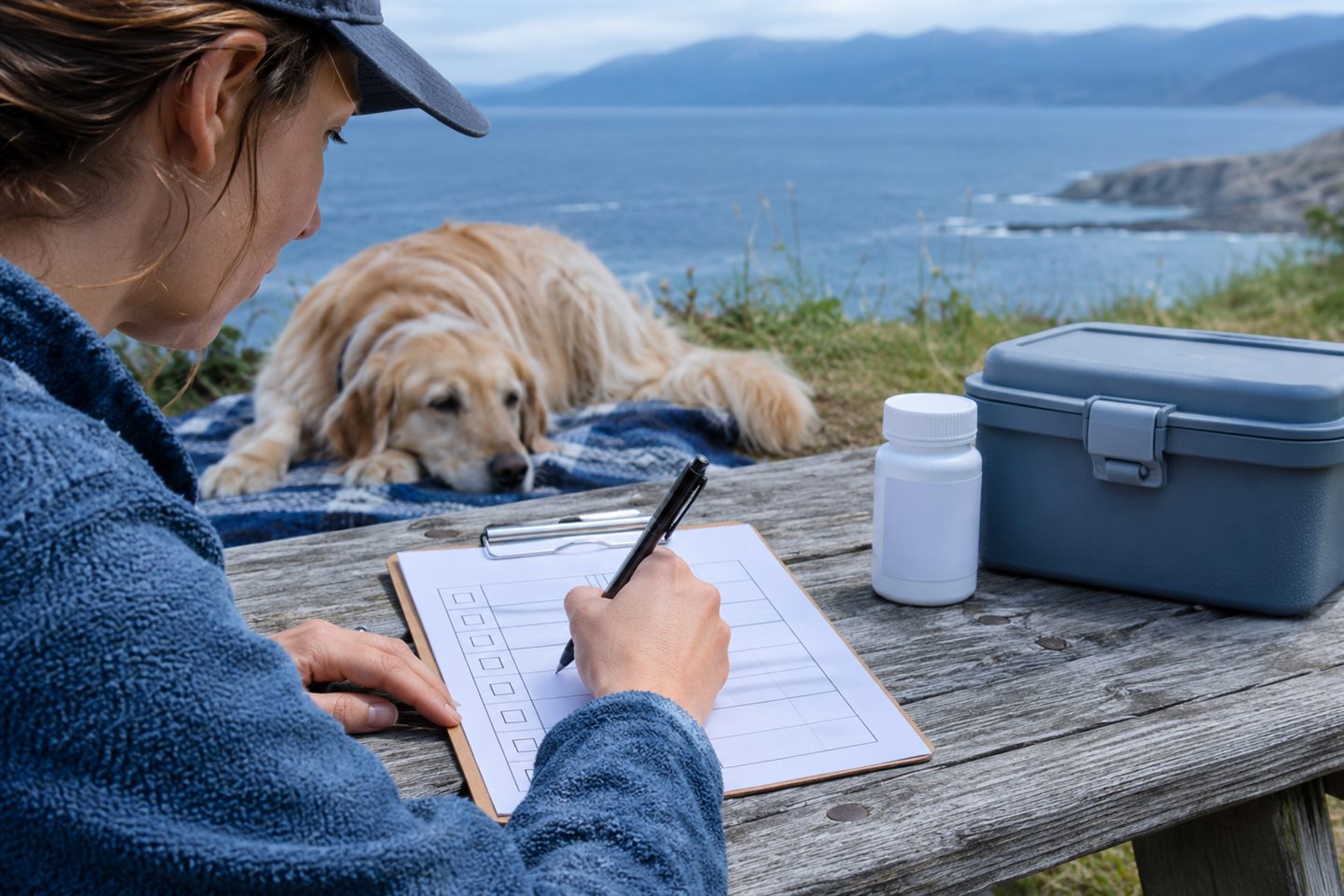
Write what you have observed, when it began, and whether it is becoming more frequent or severe. Use concrete descriptions rather than a diagnosis found online. A note saying the dog stopped halfway up the stairs on three evenings is more informative than deciding the dog definitely has a particular joint condition.
Include normal context: appetite, drinking, toileting, activity, and recent routine changes. If you are unsure of a detail, mark it as uncertain. Do not reconstruct a precise date or amount simply because a form has a box for it. Honest uncertainty helps the veterinary team decide what further questions to ask.
A short video may be useful for an intermittent movement or behaviour, but only if it can be obtained without provoking symptoms or delaying care. Never repeat a painful activity to capture a better clip. If filming would interfere with safe handling or transport, leave the phone aside and describe what happened.
Bring the current care information
List foods, treats, supplements, and prescribed medicines, including exact product names where possible. Bring packaging photographs or the original containers as the practice requests. A colour or approximate brand name may be insufficient to identify a product. Include items another household member gives, even when they seem minor.
Write down prescription directions and any difficulty following them. If a dose may have been missed or eaten by another animal, say so plainly and contact the prescribing practice when needed. Do not alter the schedule to make the record look tidy. The useful information is what actually happened.
Bring relevant previous records if the practice does not already have them, particularly after moving or changing clinics. Ask how to transfer those records securely rather than sending sensitive information to an unconfirmed address. Keep insurance and payment details available separately so administrative questions do not interrupt the clinical discussion unnecessarily.
Choose the questions that matter most
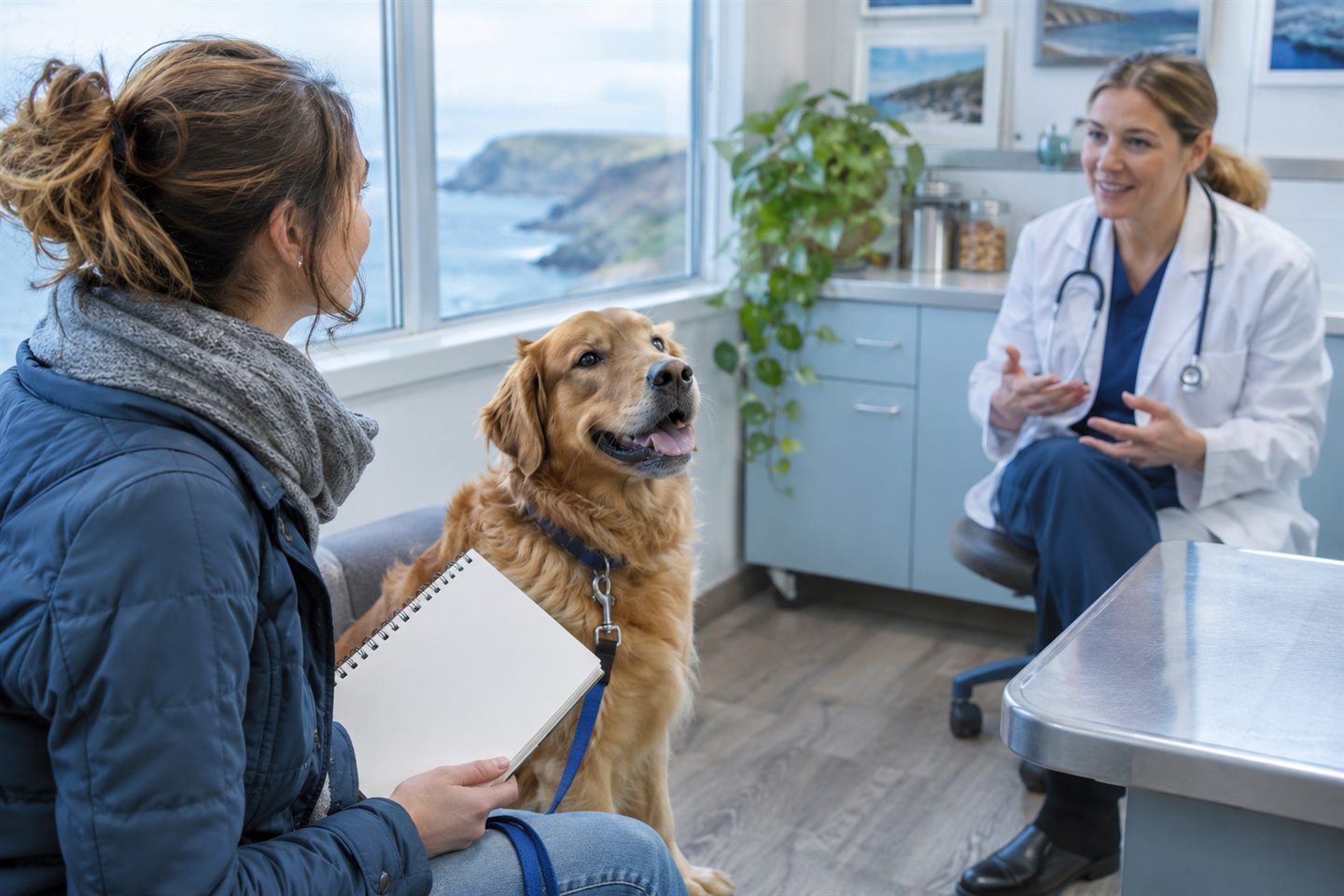
Make a short list before leaving and put the most important concern first. You might ask what the examination is intended to clarify, what signs need monitoring, or what to do if the pet will not accept a prescribed medicine. The veterinarian can then help prioritise within the appointment.
Tell the team about practical constraints. A treatment plan needs to fit what the caregiver can safely administer and what the household can manage. If you are worried about cost, transport, or handling, raise it clearly. Asking about options is more helpful than agreeing to a plan you already know you cannot follow.
Avoid expecting every unrelated question to fit into a single visit. Ask whether another appointment or a nurse consultation would be suitable for additional topics. A focused conversation can still leave room for the veterinarian to identify something important that was not on your original list.
Make the journey and waiting period manageable
Check the carrier, harness, lead, or other appropriate transport equipment before departure. Use it according to its instructions and the practice's advice. Secure animals appropriately during vehicle travel and never leave them alone in a vehicle. Allow enough time that you are not rushing through every fastening.
Keep distance from unfamiliar animals while waiting. A dog on a lead should not approach a cat carrier to say hello. Ask reception where to wait if the space is crowded or your pet is distressed. A quiet alternative may be possible, but the practice needs to know where you are and how to reach you.
Do not offer extra food or unfamiliar calming products while waiting without checking whether that is appropriate for the appointment. Keep the environment as predictable as you can. Your job is to manage safe access and communicate the pet's needs, not to train a difficult behaviour in the reception area.
Leave with a plan you can repeat
Before leaving, ask for the next steps in writing if they are not already clear. Confirm medicine instructions, monitoring, follow-up timing, and the circumstances that require an earlier call. Ask who to contact outside opening hours. Repeat important directions back in your own words so misunderstandings can be corrected immediately.
At home, put the current instructions where every caregiver can find them. Retire outdated notes rather than keeping several conflicting plans beside the food cupboard. Record follow-up arrangements and ask the practice about any uncertainty; do not guess about a dose, restriction, or change in treatment.
An appointment is most useful when the information travels both ways. You bring a reliable account of daily life, and the veterinary team provides an individual assessment and plan. Good notes support that exchange. They do not need to be elaborate, and they never need to be complete before a pet receives care that cannot safely wait.
Prepare the handover when someone else attends
If a family member or sitter will attend, discuss the questions and observations beforehand. Identify which details are first-hand and which were reported by another person. The person at the appointment should be able to explain the sequence without relying on a long chain of forwarded messages.
Agree on how new information will reach the main caregiver. Written discharge instructions, a clear medication plan, and the next appointment date are more dependable than a quick verbal summary in the car park. Ask the practice about consent and communication preferences before sharing records with other people.
After the visit, review the plan together while the details are fresh. Confirm who is responsible for each task and how completion will be recorded. If something remains unclear, contact the practice. A calm handover can prevent an otherwise sensible plan becoming confusing once several people begin helping at home.
Put your question list somewhere you can reach it while safely managing the pet. If both hands are occupied, ask whether another person can help with notes. You should not have to balance a carrier, unlock a phone, and remember a complicated timeline at the same moment.
Further reading
AAHA on preparing for a veterinary visit provides background for discussing individual care with the veterinary team. Follow your own prescribing or treating veterinarian’s directions.