Ageing often becomes visible in ordinary places: the step into a bed, the turn on a polished floor, or the pause before reaching a favourite window. It is easy to explain a change as simply getting older. A better starting point is to notice what has changed, make the immediate environment manageable, and discuss new difficulties with a veterinarian.
Home adjustments can support comfort and access, but they do not identify or treat the cause of a problem. Sudden changes, pain, appetite loss, unusual drinking, or difficulty moving need professional attention. For everyday planning, observe your pet's actual route through the house. The useful questions are practical: what do they need to reach, what seems difficult, and can the route be made safer while you seek appropriate advice?
Watch the route to essentials
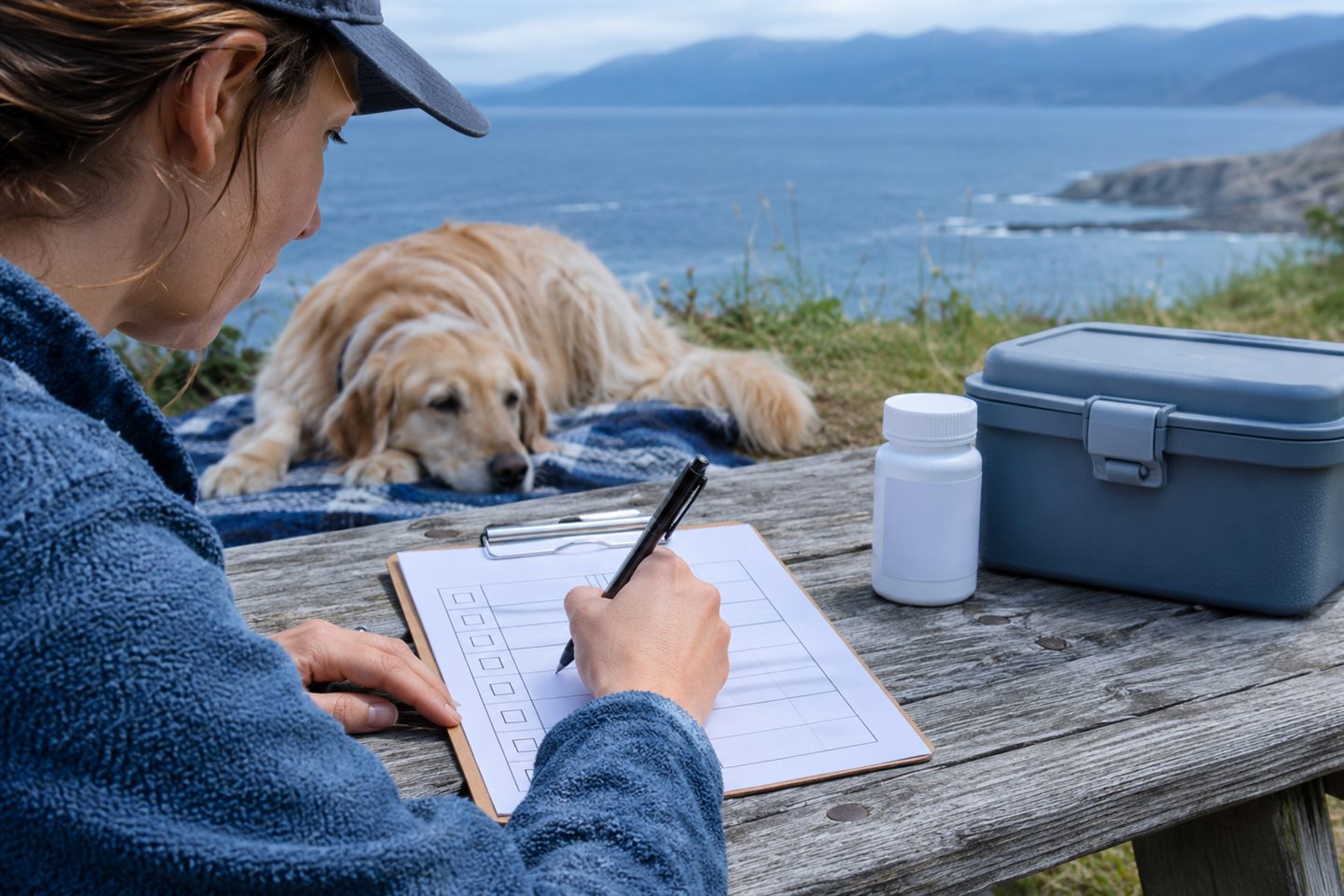
Follow the ordinary journey between resting places, water, food, toilet access, and family activity. Observe without calling the pet repeatedly or asking them to demonstrate a difficult movement. A short note about where they hesitate can help you describe the issue to your veterinary team.
Look for changes in the environment as well as the animal. A new rug, moved table, or closed door may have altered a familiar route. Keep essential resources reliably accessible. If a pet now struggles with stairs, ask the veterinarian about suitable arrangements and manage access safely rather than encouraging repeated practice.
Check the route at different times. A passage that is clear during the day may fill with bags in the evening. A doorway may be easy to reach until another animal rests there. Improving access means considering the real household routine, including other pets, rather than drawing a route that works only when every room is empty.
Review footing without creating obstacles
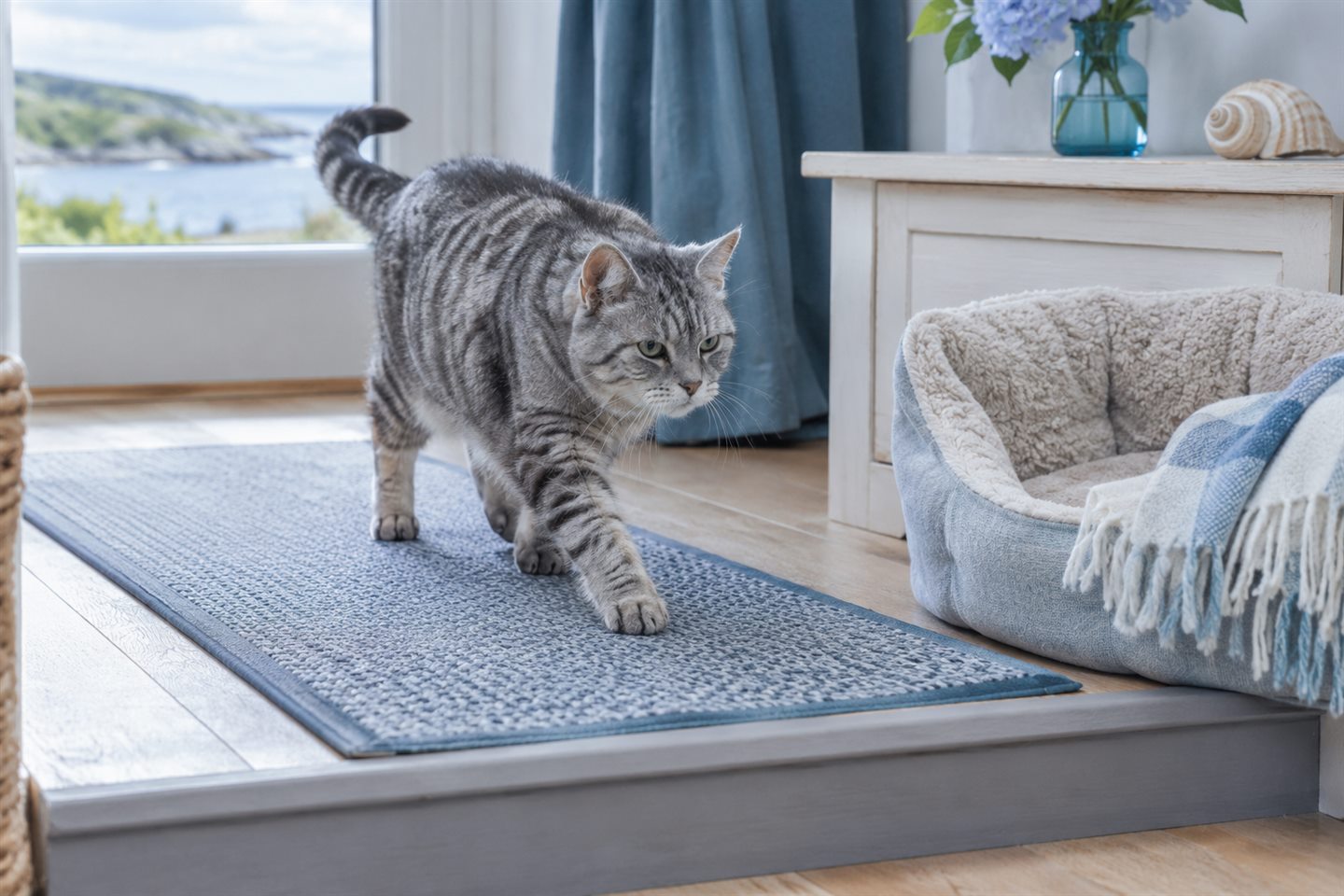
Slippery transitions deserve attention: the edge of a mat, polished flooring beside a bed, or a wet area near the water bowl. Use suitable stable surfaces that do not slide or curl. Check that adding a covering does not create a raised edge that catches feet or blocks a door.
Introduce one change at a time where practical. An animal may be uncertain about an unfamiliar surface even if it offers better traction. Let them approach comfortably and keep the area well managed. Do not lure them across something they are frightened of while preventing an alternative route.
Ask for professional advice if you are unsure what material or access equipment suits the pet. Homemade ramps and unstable steps can create new risks. Any product needs appropriate dimensions, stability, intended use, and a safe route at both ends. The animal's health and movement matter more than a generic recommendation based on age alone.
Make resting choices easier to use
Inspect entry height, available space, temperature, and nearby activity. A pet may need a lower sleeping surface or a quieter position, but should still have opportunities for comfortable social contact. Offer options where possible rather than moving the only bed far from everyone without observing the response.
Check how the animal rises and turns when awake naturally. Do not wake them repeatedly to assess movement. A change in getting up can help your veterinarian understand the problem, particularly if you can describe when it occurs and what surface is involved. It should not be treated only as a shopping question about mattress thickness.
Keep bedding clean, dry, and in usable condition. Remove damaged covers and exposed filling, and follow care instructions. If an animal has accidents or needs special skin care, ask your veterinary team for an individual plan. Avoid using unapproved heating products or making a warm enclosure the pet cannot leave freely.
Keep resources available without competition
In a household with several animals, check whether the older pet can access essentials without being crowded. Separate locations may be helpful even when there is no obvious conflict. A faster animal can reach a shared bowl first, and a narrow hallway can make passing uncomfortable.
Observe meals individually where appropriate and follow the feeding plan advised by your veterinarian. Do not assume an older animal needs a different diet, supplement, or reduced portion solely because of age. Health, body condition, and the particular food all matter. Bring current product details and observations to the appointment.
For cats, review access to litter facilities and resting areas with the veterinary team if movement or toileting changes. Changes can have medical causes. Adding a convenient option may support access, but does not remove the need to investigate pain, difficulty passing urine, or other concerning symptoms promptly.
Keep interaction predictable and optional
Offer familiar activities at a level the pet can manage. A quieter toy game, a short appropriate walk, or sitting together may fit the day. Do not assume that every older animal wants less interaction, or that a previously energetic pet should be pushed to maintain the same pace.
Let the animal move away from handling and rest without interruption. Explain changes to children and visitors, especially if the pet startles more easily or dislikes being approached while asleep. Keep introductions calm and allow space rather than bringing people close to test whether the animal still tolerates contact.
Record what the pet chooses and any noticeable change in engagement. A reduction in usual activity can reflect many things and is worth discussing. Home observation is valuable because it describes the individual animal over time; it should not become a way to decide that a health concern is normal ageing without assessment.
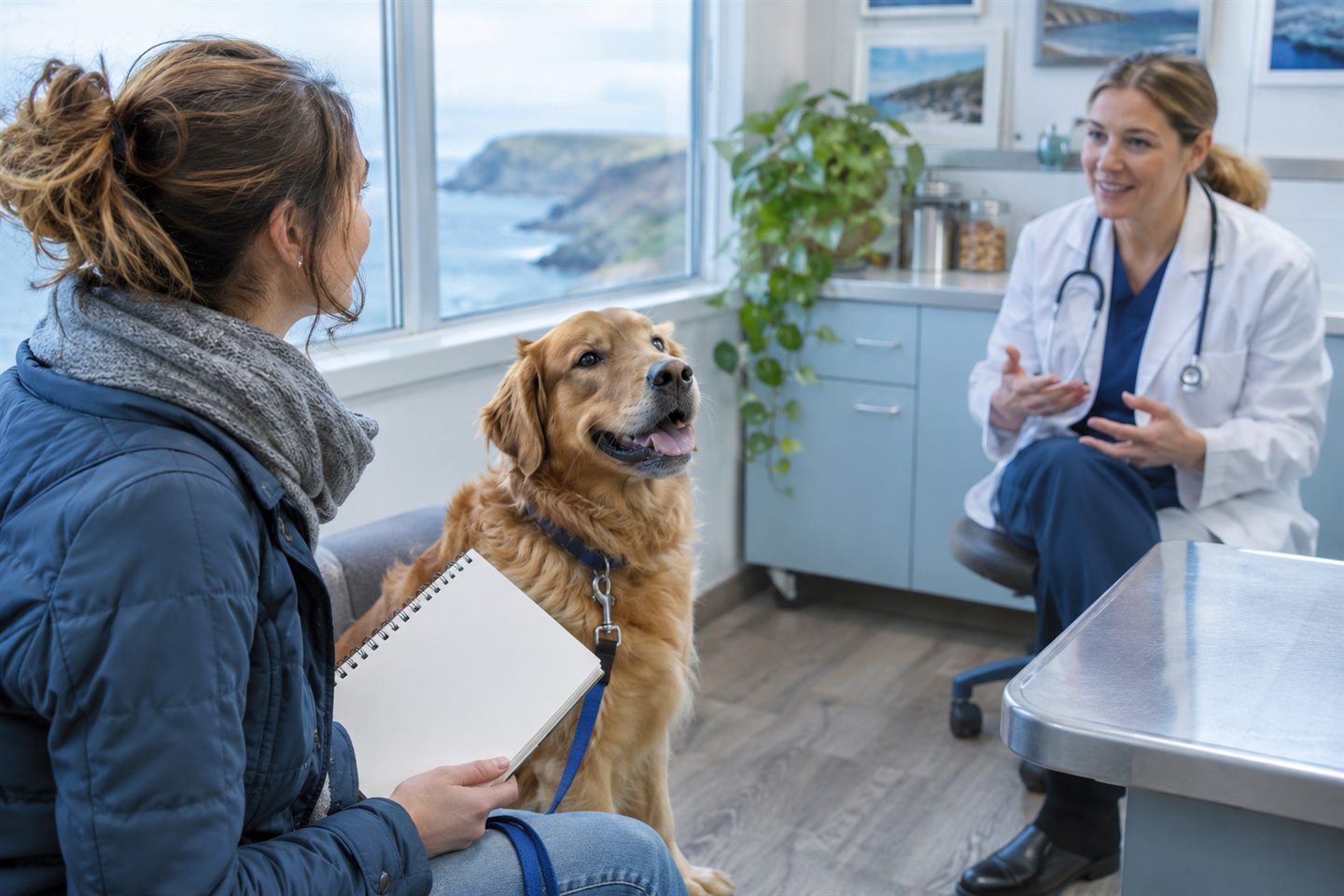
Bring a clear account to the veterinarian
Choose a few concrete examples rather than a broad statement that the pet is slowing down. Describe the route, surface, time, and frequency. Mention changes in eating, drinking, toileting, sleep, and social behaviour. If a safe spontaneous video is available, ask whether the practice would find it useful.
Ask about suitable activity, environmental support, and follow-up. Clarify any restrictions and what should prompt an earlier call. Do not give human pain medicines or leftover veterinary products unless specifically prescribed for the individual pet. An older animal's comfort needs professional assessment, not a trial of an unapproved remedy.
Review the home after the appointment using the individual advice you received. Keep the changes simple enough that another caregiver can maintain them. A clear route, reliable resources, comfortable resting options, and attentive observation can make daily care more manageable while your veterinary team addresses the reasons behind new difficulties.
Recheck after small household changes
A delivery box left overnight, a moved lamp, or a new chair can alter an established path. Walk through the pet's essential routes when the household changes and remove avoidable obstacles. Keep frequently used locations consistent when possible, while ensuring that any important adjustment remains safe and accessible.
Share the arrangement with sitters. Show them the preferred sleeping place, the surfaces that need to stay clear, and any movement restrictions advised by the veterinarian. Written notes should describe current needs rather than the routine from several years ago. Date them so outdated instructions are easier to identify.
The goal is an ordinary day with fewer unnecessary difficulties. You are not trying to freeze the home in time or prevent every change. You are preserving useful choices and noticing when a once-simple task has become harder. That combination of practical support and timely professional advice respects the animal as an individual throughout later life.
Check lighting along essential routes when the household settles for the night. A route that looks obvious in daylight may be less straightforward after doors close and lamps are switched off. Ask the veterinary team about new navigation difficulties rather than assuming the animal simply forgot a familiar room.
Further reading
AAHA on care for senior pets provides background for discussing individual care with the veterinary team. Follow your own prescribing or treating veterinarian’s directions.